A Glimpse of the Inner Workings of a Normal Cell
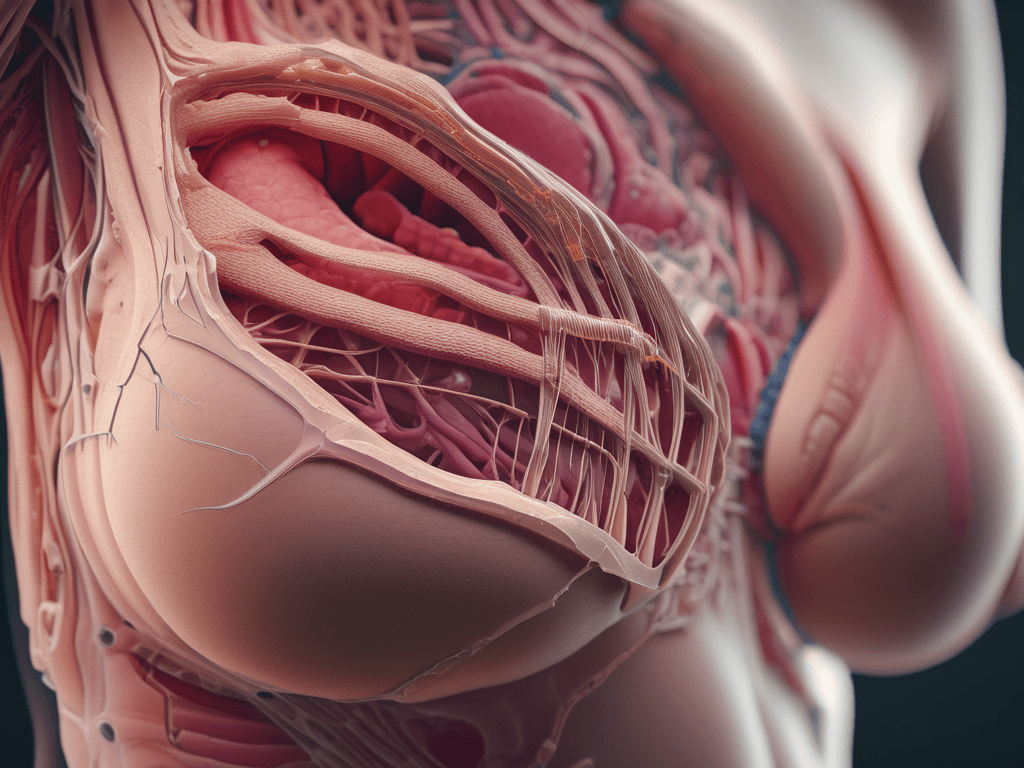
A significant advancement has been made in cellular imaging by combining radiography, nuclear magnetic resonance, and cryo-electron microscopy techniques. These methods provide a comprehensive view of the cell’s components, offering new insights into its function and organization. This breakthrough opens up new possibilities for research and innovation in cellular biology and medical science.

What makes cancer cells so different?
GROWTH
Cell growth is tightly regulated in healthy organisms, but in cancer, this mechanism goes awry, leading to uncontrolled and rapid growth of abnormal cells. These cells form masses or tumors and may spread to other parts of the body, disrupting normal physiological balance and vital organ function. In leukemia, the overproduction of abnormal white blood cells hinders the production of other essential blood components.
PROLIFERATION
Cancer cells are notorious for their ability to evade the body’s natural defense mechanisms and proliferate uncontrollably. Unlike normal cells, they exhibit a reckless disregard for the orderly processes of growth, replication, and programmed cell death. Furthermore, these rebellious cells often develop the capability to resist therapeutic interventions designed to restore order and eliminate them. This defiance against the body’s regulatory mechanisms allows cancer cells to establish their own chaotic and destructive ecosystem, posing a significant challenge in the battle against cancer.
COMMUNICATION
Cells communicate through signaling pathways to maintain boundaries and ensure proper organ functioning. These mechanisms coordinate activities and prevent uncontrolled growth. In healthy cells, signals prompt neighboring cells to stop proliferation when a boundary is reached. However, cancer cells disregard these signals, leading to uncontrollable growth.
COHESIVENESS
Normal cells are equipped with the ability to stay together as a group through a process known as cell adhesion. This essential mechanism allows cells to produce a substance that enables them to stick together, forming tissues and organs. In contrast, cancer cells do not produce this substance, leading to a loss of cohesion among the cells. As a result, these abnormal cells can easily fall off from the primary tumor, become separated, and float to other areas of the body. Once detached, they have the potential to travel through the lymphatic system or the bloodstream, initiating the formation of secondary tumors in distant locations, a process known as metastasis.
SPREAD
Because cancer cells do not adhere to their place of origin and can travel to other body sites, a process known as metastasis, they behave differently from normal cells. This ability to spread throughout the body sets cancer cells apart from healthy cells, and it is a major factor in the challenge of treating and managing cancer.
APPEARANCE
Under the microscope, cancer cells reveal a myriad of complexities as they change from the appearance and behavior of normal, healthy cells. Not only do these cells exhibit variations in size and shape, but they often form unusual and irregular structures, reflecting the chaotic nature of their growth and proliferation. Additionally, the nucleus of a cancer cell typically appears larger and darker in comparison to that of a normal cell. This heightened darkness is attributed to the presence of excessive DNA, often coupled with an abnormal number of chromosomes arranged in a disordered fashion.
MATURATION
Normal cells go through a carefully orchestrated process of differentiation and maturation, tightly regulated to ensure their proper functioning within the organ system. As they grow and divide, they do so with a clear sense of purpose and direction, ultimately contributing to the overall health and functionality of the body. In stark contrast, cancer cells exhibit a reckless disregard for this disciplined journey to maturity. Instead, they defy the constraints of normal cellular behavior, multiplying in a chaotic and uncontrolled manner, long before reaching the stage of full maturation. This unchecked proliferation leads to the formation of immature and dysfunctional cell populations, perpetuating the state of immaturity and posing a serious threat to the body’s well-being.
FUNCTION
All cells within the body are programmed to perform a specific purpose. Cancer cells lack the ability to continue to function as intended. Instead, these cells resist the normal process and serve only to continue needless replication and spread throughout the body. In doing so, they disrupt the functioning of organs and systems. Formation of masses or tumors interferes with the body’s functioning.
SUPERPOWERS
Cancer cells, with their cunning ability to evade the immune system, pose a significant threat to the body’s natural defenses. By evading detection, they can thrive and proliferate unchecked, leading to the potential spread of cancer throughout the body. However, the impact of cancer cells extends far beyond their local environment. These devious cells have been found to release signaling molecules that exert influence on the surrounding tissues, compelling them to provide support for the growth and survival of the cancer cells. This manipulation creates an environment that is highly conducive to the destructive behavior of the cancer cells. Additionally, a noteworthy tactic employed by these cells for their survival is the ability to initiate the formation of their own blood supply. This remarkable skill, typically utilized by normal cells only in the context of tissue damage and re-growth, further underscores the extraordinary adaptability and tenacity of cancer cells in their quest for proliferation and survival.




 News & Resources for Oncology Data Specialists
Leave a comment